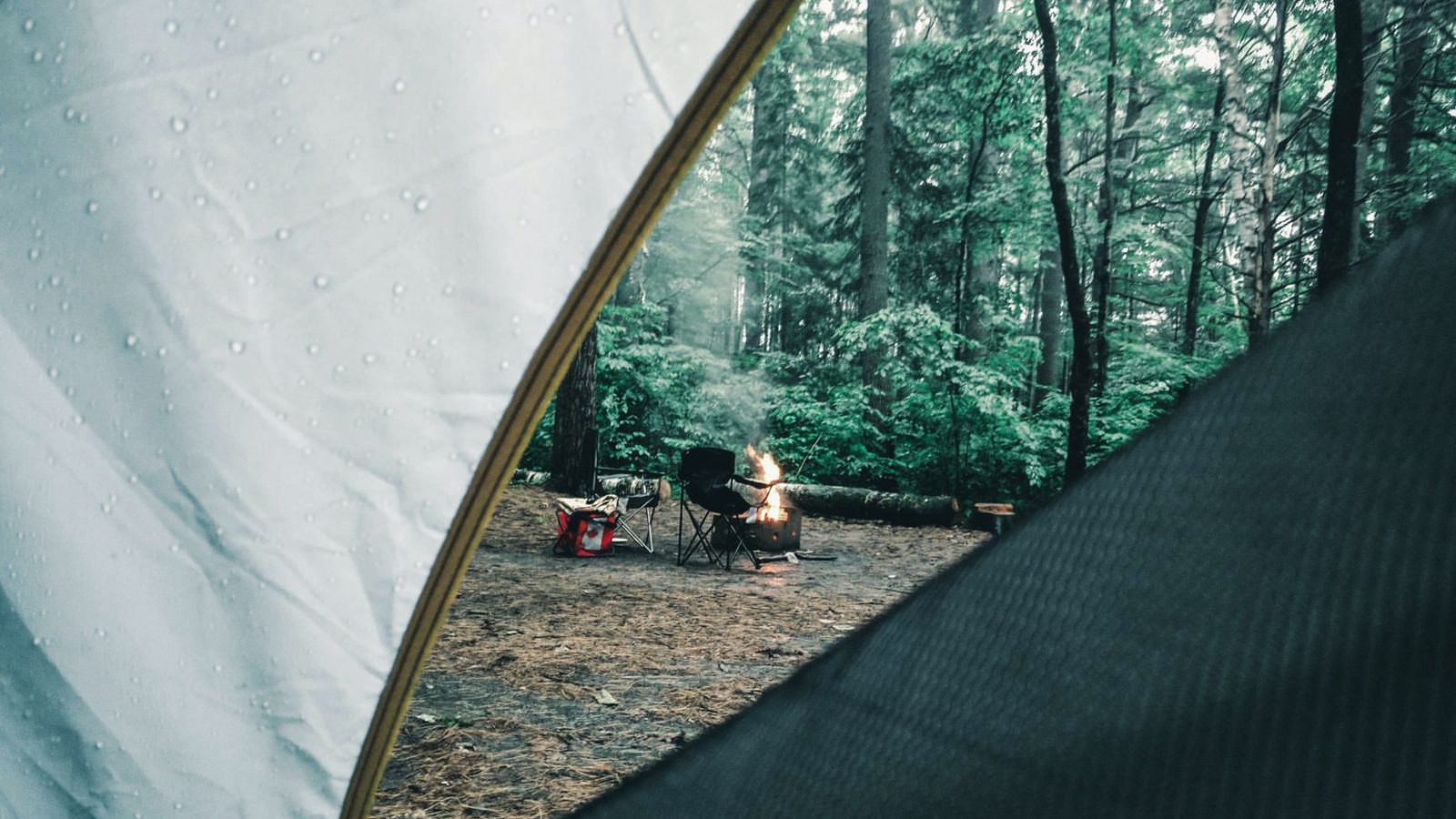
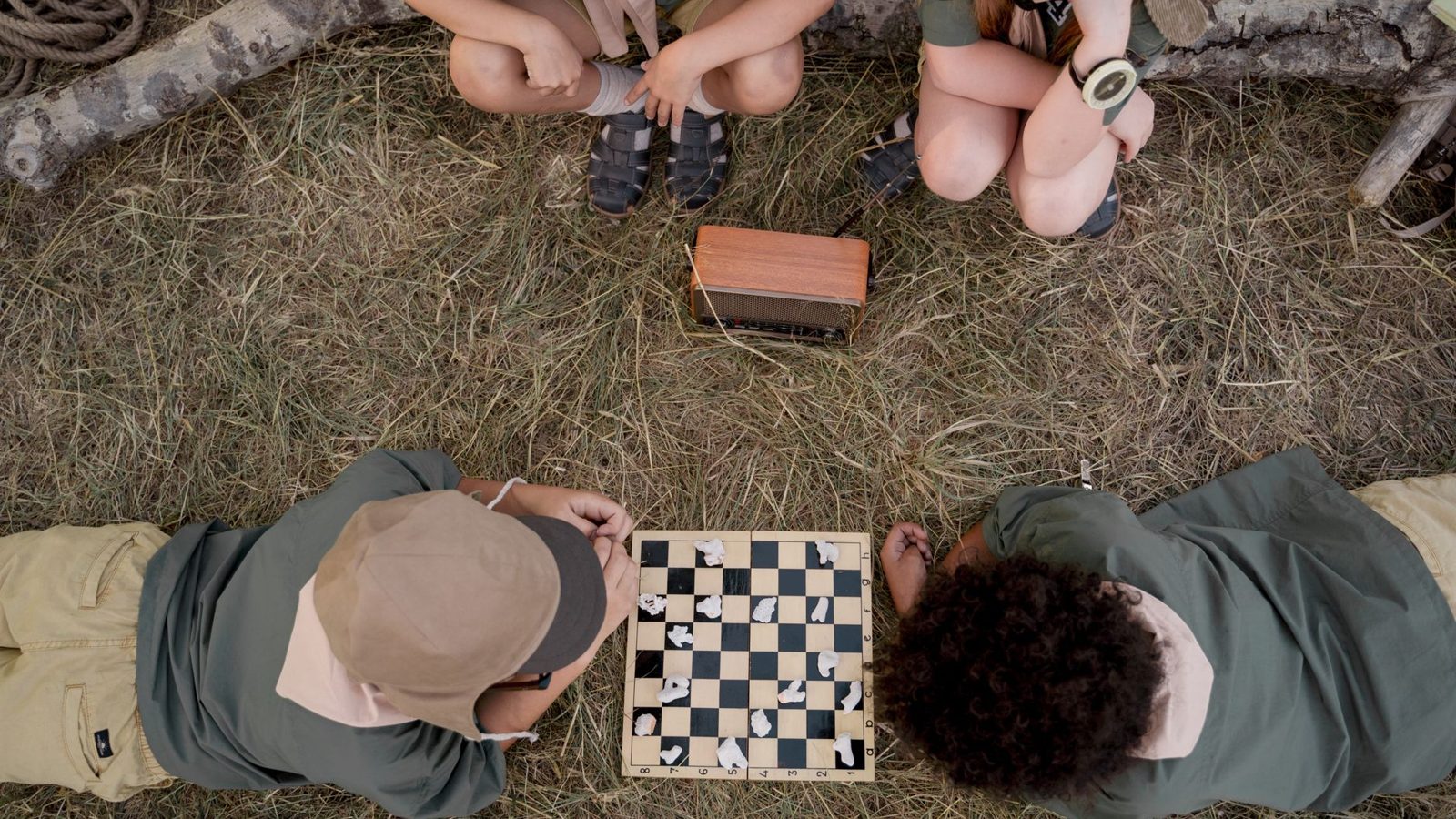
The first time I packed the car for a weekend trip, I forgot the toilet paper. By the time we realized it at the campsite, Junie was eight, Margo was ten, and we were three hours from home. We ended up using paper towels from the cooler, and I cried in the bathroom stall while the girls played tag with the firewood. That trip taught me more than any guidebook ever could: camping with kids isn’t about perfection; it’s about preparation that survives the chaos.
If you’re reading this, you probably want the memories without the meltdown. You want to stretch a dollar but not sacrifice safety. This guide is for the budget-conscious parent who knows that “cheap” doesn’t always mean “value.” Here is everything I’ve learned taking Junie and Margo from our driveway to the state parks around Chattanooga.
Setting Realistic Expectations
Before we even talk about tents or food, we have to talk about the mindset. When I first started, I thought camping was just sleeping outside. I was wrong. It’s logistics, patience, and managing energy levels. If you go in expecting a hotel experience, you’ll be disappointed. If you go in expecting a learning experience, you’ll have fun.
1. Start Small and Close to Home
Don’t book a week-long trip to a national park for your first outing. Junie and I did a “backyard campout” first. We set up the tent in the grass, slept in it, and then went inside to eat dinner. It cost nothing and told us exactly what we were missing. If the tent leaks or the kids hate the ground, you only lose an afternoon, not a weekend. This practice run saves you from buying gear you don’t need.
2. Match the Trip to Their Age
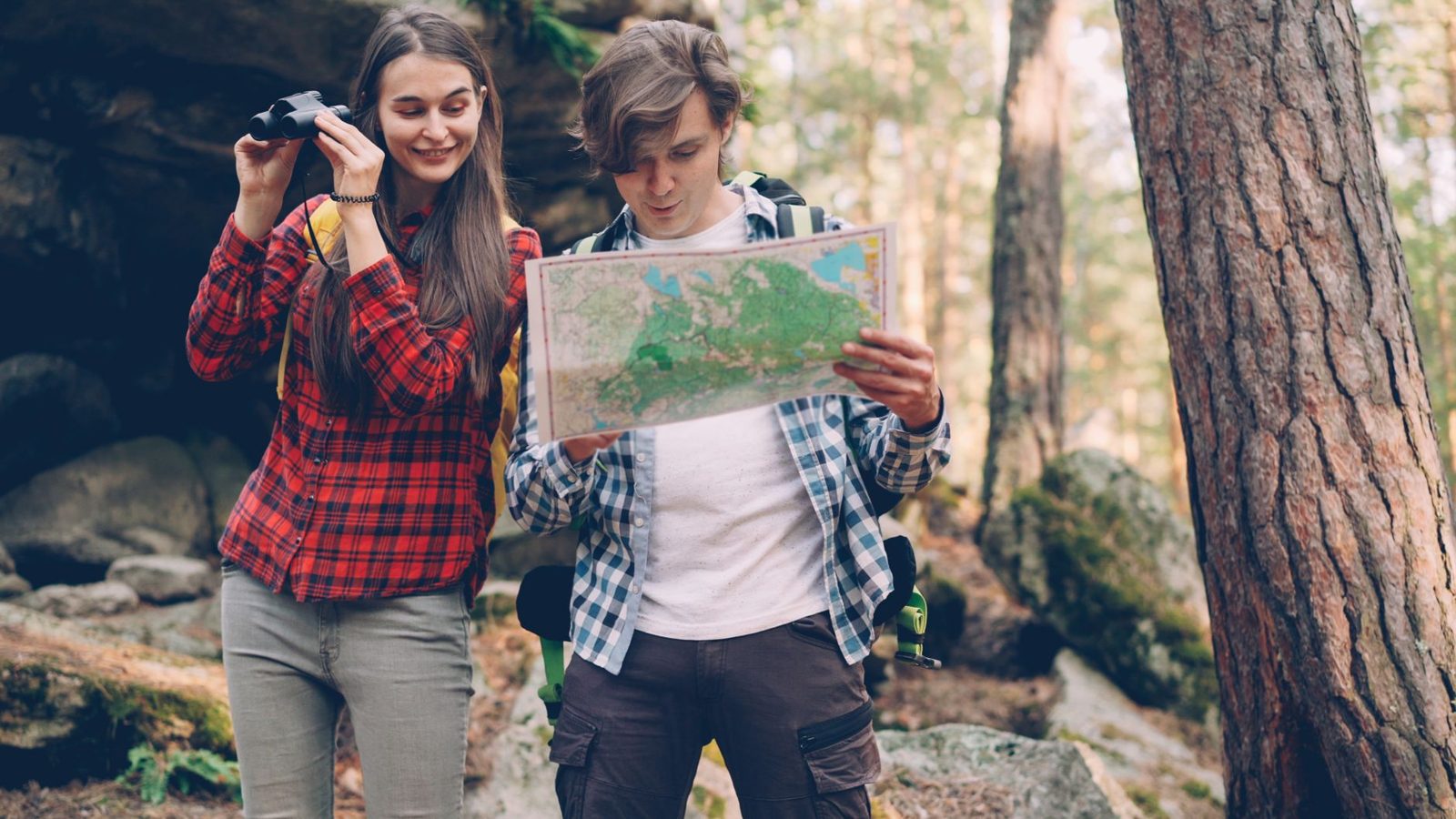
Margo is 11 now, and she can hike a mile without complaining. Junie is 8, and she needs constant engagement. For kids under 10, keep the drive under two hours. If they are tired before they arrive, the trip is over before it starts. I aim for state parks within a 90-minute radius of Chattanooga. It keeps the budget down on gas and keeps the kids fresh.
3. Let Them Pack Their Own Bags
This sounds like a chore, but it gives them ownership. I give them a small duffel and a list: pajamas, toothbrush, one toy. If they forget something, they learn a lesson without me nagging. It teaches responsibility and saves me from carrying their extra weight. Plus, if they pack their own snacks, they are less likely to complain about what’s for dinner.
4. Embrace the “Good Enough” Standard
Perfection is the enemy of the budget. If the tent is a little drafty but keeps the rain out, it’s fine. If the food is hot dogs instead of gourmet meals, it’s still a memory. I stopped trying to make it look like Instagram and started making it work for my family. Your kids won’t remember the brand of the lantern; they’ll remember the s’mores.
5. Plan for the Worst
Weather changes, bugs happen, and knees get scraped. I always pack a “rainy day” bag with board games and coloring books. If the weather turns, we don’t pack up and leave; we hunker down. This flexibility saves money on cancellation fees and stress. Sometimes the best memories come from the days that didn’t go according to plan.
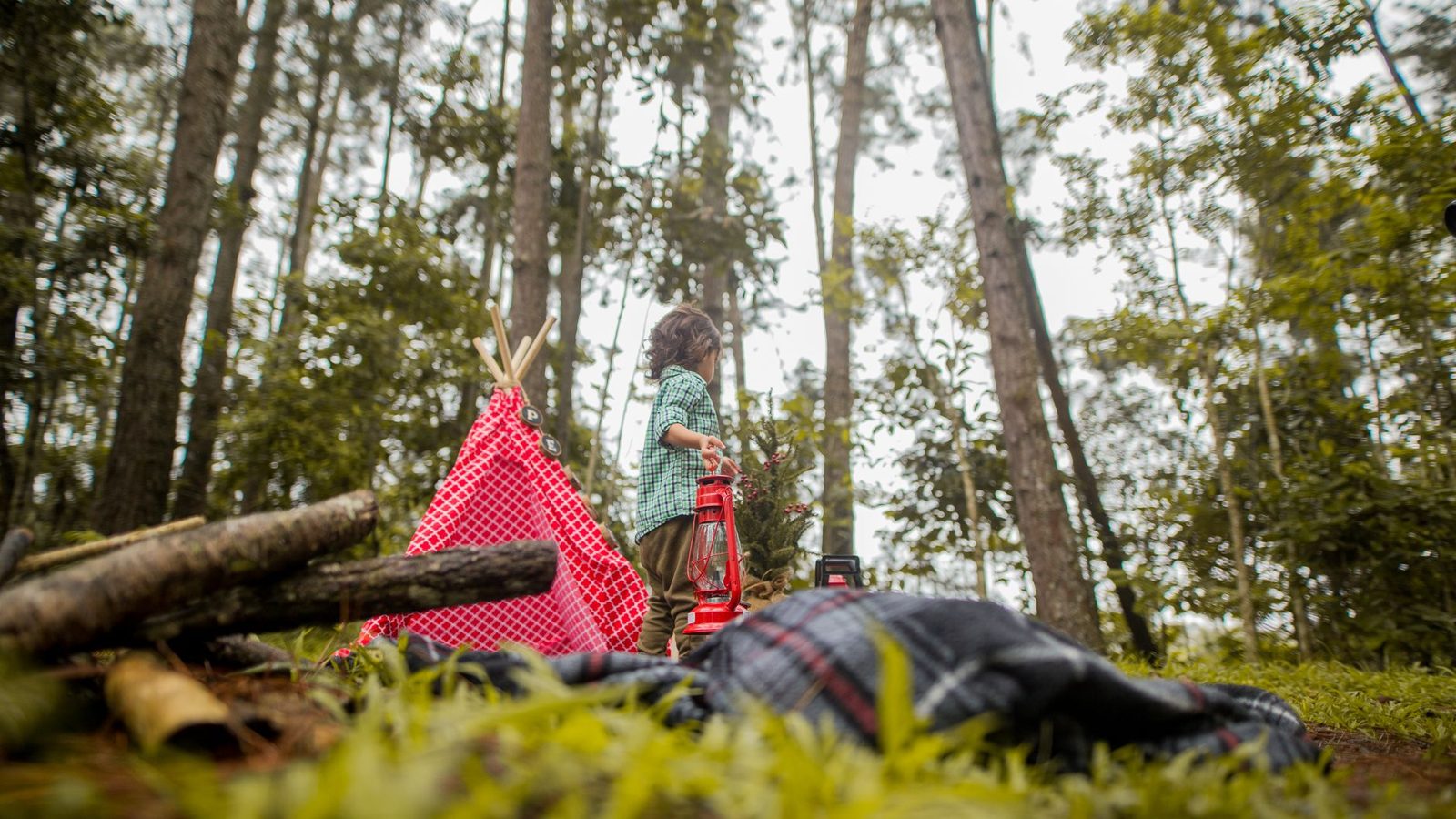 Photo: Caleb Oquendo / Pexels
Gear That Survives Two Girls
Gear is where the budget gets tricky. You can buy a $30 tent, but if it collapses in a breeze, you’ve wasted $30. You can buy a $200 tent, but if it’s too heavy for one person to carry, it stays in the closet. I look for gear that punches above its price. Durability matters more than features when you have two energetic girls.
6. Invest in a Good Tent, But Not the Most Expensive
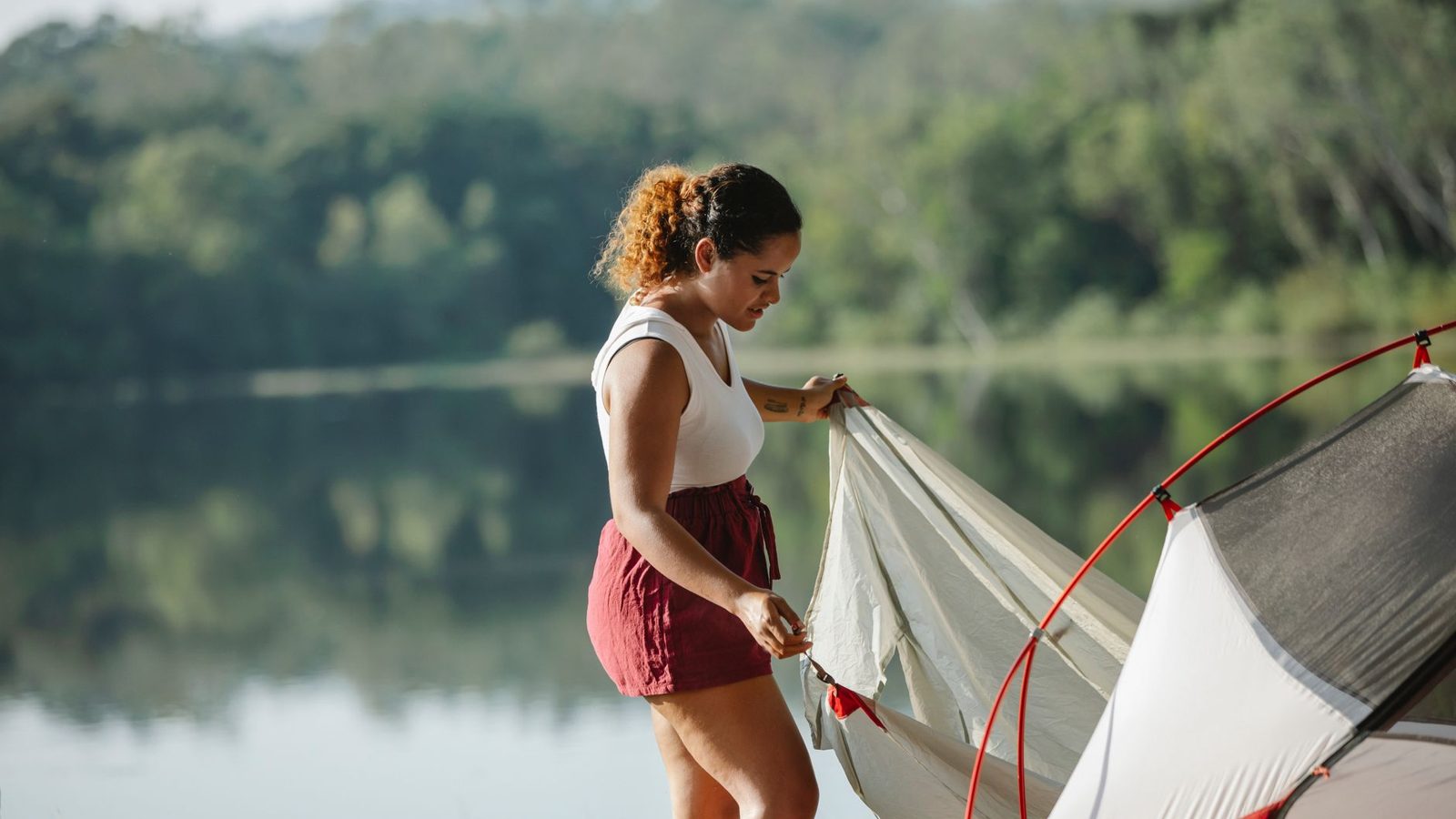
I used to buy the cheapest tent at the big box store. It lasted one season before the zippers jammed. Now, I look for a tent rated for at least 4 people, even if we are 3. That extra space means we can store gear inside, keeping the tent floor dry. A decent 4-person tent runs about $80-$120. It’s an investment, but it lasts for years.
- Easy setup
- Spacious interior
- Heavy
- Basic ventilation
7. Sleeping Bags Matter More Than You Think
Cold nights ruin trips. I learned this when Junie woke up shivering at 3 AM. Don’t buy the thin, flat bags. Get a mummy-style bag rated for the lowest temperature you expect. If it’s 50 degrees, get a 30-degree bag. It’s warmer and compresses smaller. Kids lose heat faster than adults, so don’t skimp on the rating.
- Warm rating
- Durable shell
- Tight fit for growing kids
8. Don’t Skimp on Sleeping Pads
The ground sucks heat from your body faster than the air does. A thin foam pad is better than nothing, but an inflatable pad is better for sleep quality. I found a budget inflatable mat for $20 that makes a huge difference. It’s worth the extra $15 over the free foam pads. Your back will thank you in the morning.
9. Bring a Lantern, Not Just Headlamps
Headlamps are great for hiking, but you need overhead light for cooking and games. I use a rechargeable LED lantern. It costs about $25 and lasts all weekend. No batteries to buy means more money for snacks. I keep it on the table inside the tent so we can play cards at night.
10. Pack a Dedicated “Camp Kitchen”
I keep a plastic bin with all my cooking gear: stove, fuel, pot, utensils, and dish soap. When it’s time to go, I just grab the bin. It prevents the “did we pack the matches?” panic. I bought this bin at a thrift store for $5. Label it clearly so the girls know where to find the spatula.
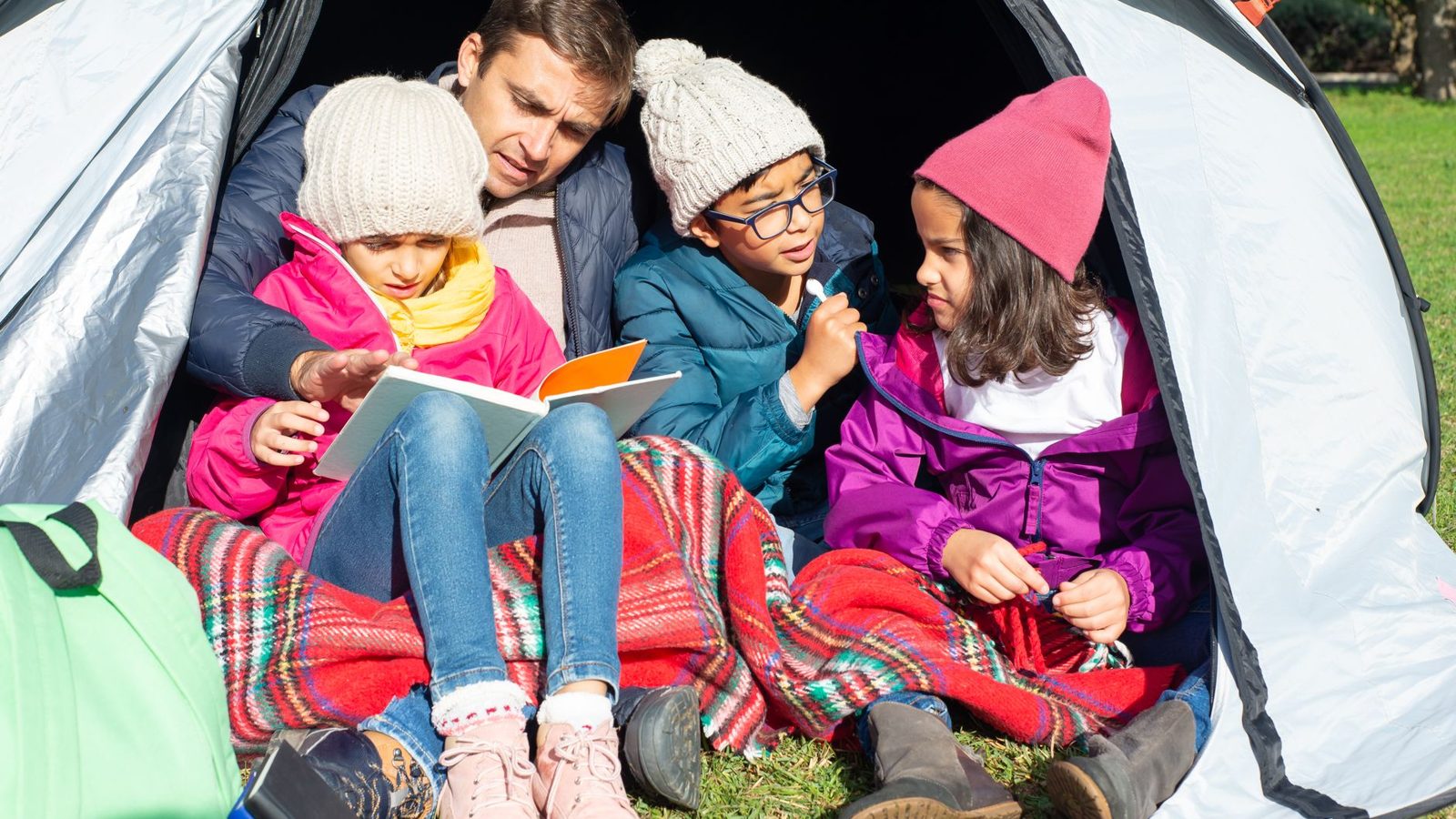 Photo: Kampus Production / Pexels
Keeping Them Busy (Without Spending Much)
The biggest complaint from kids is “I’m bored.” The biggest expense from parents is trying to fix that boredom. The best activities are free. You don’t need an iPad to keep them entertained when you’re outside.
11. Scavenger Hunts Are Free Entertainment
I print a list of things to find: a pinecone, a smooth rock, a yellow leaf. It keeps them walking and looking. It costs nothing but paper and takes an hour of their energy. I laminate the list so we can use it again on the next trip. It turns a simple walk into a mission.
12. Bring a Ball or Frisbee
A $5 ball can keep them occupied for hours. It’s better than a tablet because it gets them moving. I keep one in the car at all times, not just for camping. We play catch while waiting for the water to boil for pasta. It burns off energy before bedtime.
13. Nighttime Stargazing
Turn off the lanterns and look up. It’s free and magical. I use a free app to identify constellations. It turns the dark sky into a classroom. Margo loves finding Orion, and Junie likes looking for shooting stars. It’s a quiet moment that feels special.
14. Let Them Cook
Kids love fire. Let them toast marshmallows or cook hot dogs. It makes them feel useful. I supervise closely, but the pride they feel is worth the mess. They learn about heat and safety while making their own dinner. It’s a life skill that costs nothing.
15. Collect “Treasures”
We have a jar for rocks, shells, or interesting sticks. It gives them a goal for the hike. When we get home, we wash them and put them on the mantle. It’s a souvenir that costs nothing. They get to choose what stays and what goes, which teaches decision-making.
Sleep, Safety, and Snacks
This is where the single-mom budget really matters. If they sleep well, they behave well. If they eat well, they don’t crash. These tips are about keeping the peace so you can actually enjoy the view.
16. Pre-Prep the Food
Chopping veggies at the campsite is a pain. I chop everything at home and store it in reusable containers. It saves time and reduces waste. I also pre-make s’mores kits in ziplock bags. It means less cleanup at the end of the day when everyone is tired.
17. Hydration is Key
Kids forget to drink water until they have a headache. I bring a large water jug and fill their bottles every morning. It’s cheaper than buying bottles at the park store. I keep the jug in the shade so the water stays cool. A hydrated kid is a happy kid.
18. The “First Aid” Rule
I learned this the hard way: a small cut can become a big infection. I keep a kit with bandages, antiseptic wipes, and tweezers. I also bring duct tape. It fixes torn tent poles, ripped shoes, and blistered heels. It’s the most important thing in the car.
- Compact
- Includes tweezers
- Basic supplies only
19. Set Clear Boundaries
Before we leave the car, we define the “green zone.” This is where they can run without me chasing them. If they go past the tree line, they come back. It keeps them safe without me yelling. We practice this rule at home so they know it’s serious.
20. Have a Backup Plan
Sometimes the weather just wins. If it rains for two days straight, we have a plan B. Usually, it’s a local museum or a movie. It’s okay to cut the trip short. Better to leave happy than stay miserable. Flexibility is the best budget tool you have.
What I’d Actually Buy
If you are starting from scratch and have $200 to spend, here is my honest shopping list. Don’t buy the fancy stuff yet. Focus on the essentials that keep you dry and warm.
- Tent: Spend the $100 here. It’s your shelter.
- Sleeping Bags: Spend $40 each for the girls.
- Cooler: Spend $30 on a basic cooler.
- Stove: Spend $25 on a two-burner propane stove.
- Leftover: Save it for food and gas.
I used to buy the “complete camping set” from a department store. It came with a tent, bags, and mats. It cost $150. It lasted one trip. Now, I buy pieces. It costs more upfront, but it lasts five years. That is the real budget hack. Quality gear means you don’t have to replace it every season.
Frequently Asked Questions
Q: How much does a weekend camping trip actually cost? A: For us, it’s about $150-$200. That includes the campsite fee ($25), gas ($50), and food ($75). It’s a fraction of a hotel stay, which would be $300+ for the same weekend.
Q: What if it rains? A: Check the forecast, but pack for rain anyway. A cheap rainfly or tarp can save the tent. If it pours, we play board games inside the tent. It’s cozy, not a disaster.
Q: How do I keep bugs away without expensive sprays? A: I use a mix of lemon eucalyptus oil and water. It’s cheaper than the big brands and works well for us. Also, keeping food sealed tight is the best defense.
Q: Can we camp with toddlers? A: Yes, but keep it close. A backyard campout is perfect for toddlers. They need naps and frequent bathroom breaks. State parks with flush toilets are better for this age group.
Q: Is it safe to let kids play alone? A: Only in the “green zone.” I always know where they are. For younger kids, I use a whistle. If they hear the whistle, they freeze and look for me.
Q: What’s the one thing I shouldn’t forget? A: Toilet paper. Seriously. I learned that on the first trip. Keep a roll in the glove box of the car, not in the tent.
A Note From Penny
Camping with kids isn’t about having the best gear or the fanciest site. It’s about showing up, even when the budget is tight and the kids are tired. It’s about the smell of the fire and the sound of the girls laughing in the dark.
I hope these tips help you get out there without the stress. Start small, pack smart, and remember: the mess is part of the memory.
See you at the campsite, Penny