There is a specific kind of silence that exists only in the deep woods, a quiet so profound it feels like a physical weight pressing against your chest. For many, this silence is terrifying; for others, it is the ultimate reward. Stepping into the wilderness without a companion is a rite of passage that transforms the way you view the outdoors and yourself. It strips away the distractions of daily life and forces you to rely entirely on your own judgment and instincts. If you have been hesitating to take that first step into the wild, know that you are not alone in your hesitation. Solo camping for beginners is often viewed as an intimidating leap, but with the right preparation and mindset, it becomes one of the most empowering experiences you can have. This guide is designed to walk you through the logistics, the psychology, and the practicalities of venturing out on your own, ensuring your first night under the stars is filled with wonder rather than worry.
Preparing for Solo Camping for Beginners at Home
The most critical phase of your solo adventure actually happens before you ever leave your driveway. Many first-timers make the mistake of treating their first solo trip as a test of their gear and skills simultaneously. The goal, however, should be to eliminate variables. When you are alone, there is no one to help you set up a stubborn tent, no one to share the weight of a heavy stove, and no one to keep you warm if the temperature drops unexpectedly. Therefore, your preparation at home is about building muscle memory and confidence.
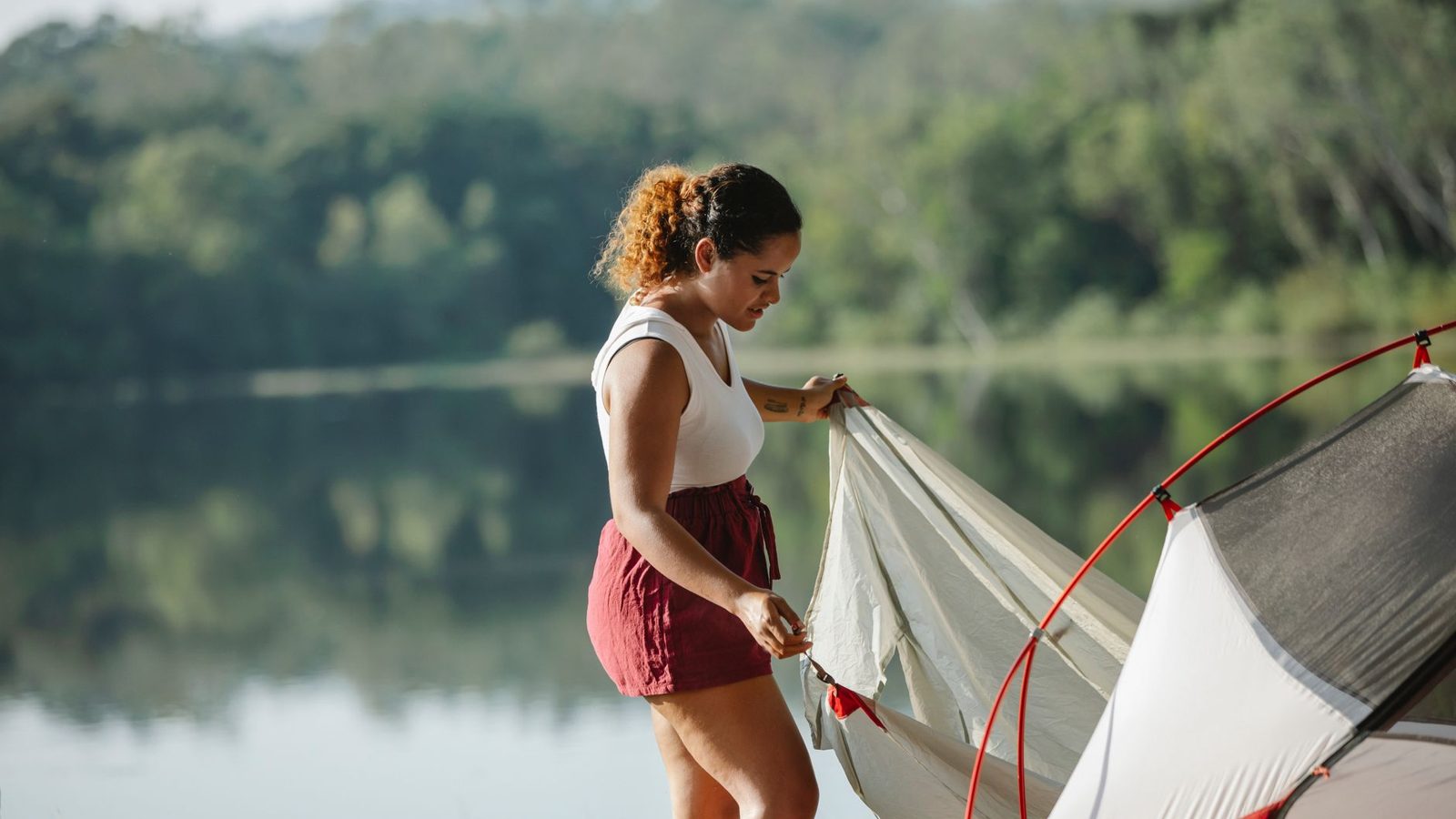
Start by setting up your shelter in your backyard or living room. Do this in the dark if possible. The ability to pitch your tent by headlamp is a vital skill that prevents frustration when you arrive at camp after sunset. Check your stakes, poles, and guylines. Ensure you know exactly where every piece belongs. If your tent requires complex assembly, consider switching to a freestanding model that is easier to manage alone. While you are at home, test your cooking system. Solo cooking requires different planning than group cooking; you need meals that are efficient and require minimal cleanup. Boil water in your pot and time how long it takes. Does your stove have enough fuel for the duration of your trip? These small tests reveal potential failure points when the stakes are low.
Furthermore, practice packing your bag. You need to know where your first aid kit is located without digging through everything. Organize your gear into logical categories: sleeping, cooking, and safety. Weight distribution matters more when you are carrying everything yourself. A heavy pack that feels manageable with a partner can feel like a burden when you are the only one bearing the load. By simulating the trip at home, you reduce the cognitive load on the actual trip, allowing you to focus on enjoying the environment rather than troubleshooting your equipment.
 Photo: Kamaji Ogino / Pexels
Choosing Your First Solo Camping for Beginners Location
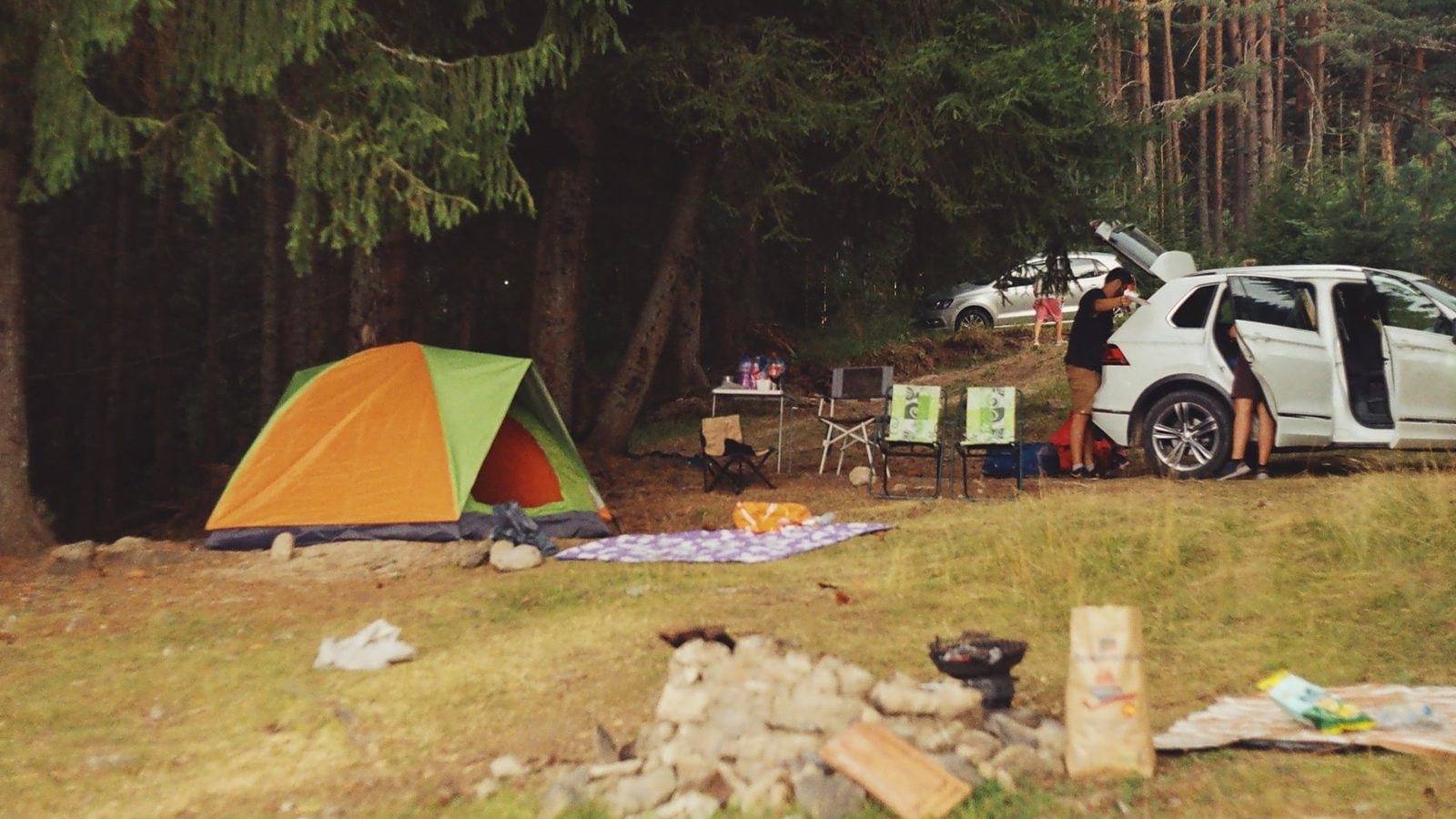
One of the biggest decisions you will make is where to go. The location sets the tone for your entire experience. For your first time, the debate between developed campgrounds and dispersed camping is crucial. While dispersed camping offers true solitude, it also demands a higher level of self-sufficiency and navigation skill. A developed campground, on the other hand, offers amenities like restrooms, designated fire rings, and often, other campers nearby.
For a first-timer, a developed campground is highly recommended. It provides a safety net. If you forget a piece of gear, you can often find it at the camp store. If you feel uneasy, you can hear other campers nearby, which can be a comforting psychological anchor. Look for campgrounds that are popular but not overcrowded. State parks and national forests often have designated sites that are perfect for this purpose. Avoid remote backcountry trails for your debut. You want to be able to focus on the feeling of solitude without worrying about a ten-mile hike just to find water.
Research the specific site rules. Some areas require bear canisters, while others allow hanging bags. Some have fire restrictions that change seasonally. Understanding these regulations beforehand prevents fines and ensures you are compliant with local land management agencies. You can check the National Park Service website for specific area alerts. If you do decide to try dispersed camping, choose a spot near a trailhead or a well-traveled road. This ensures that if you need help, you are not miles from civilization. The goal of your first trip is to build confidence, not to test your survival limits. As you gain experience, you can gradually move further off the grid.
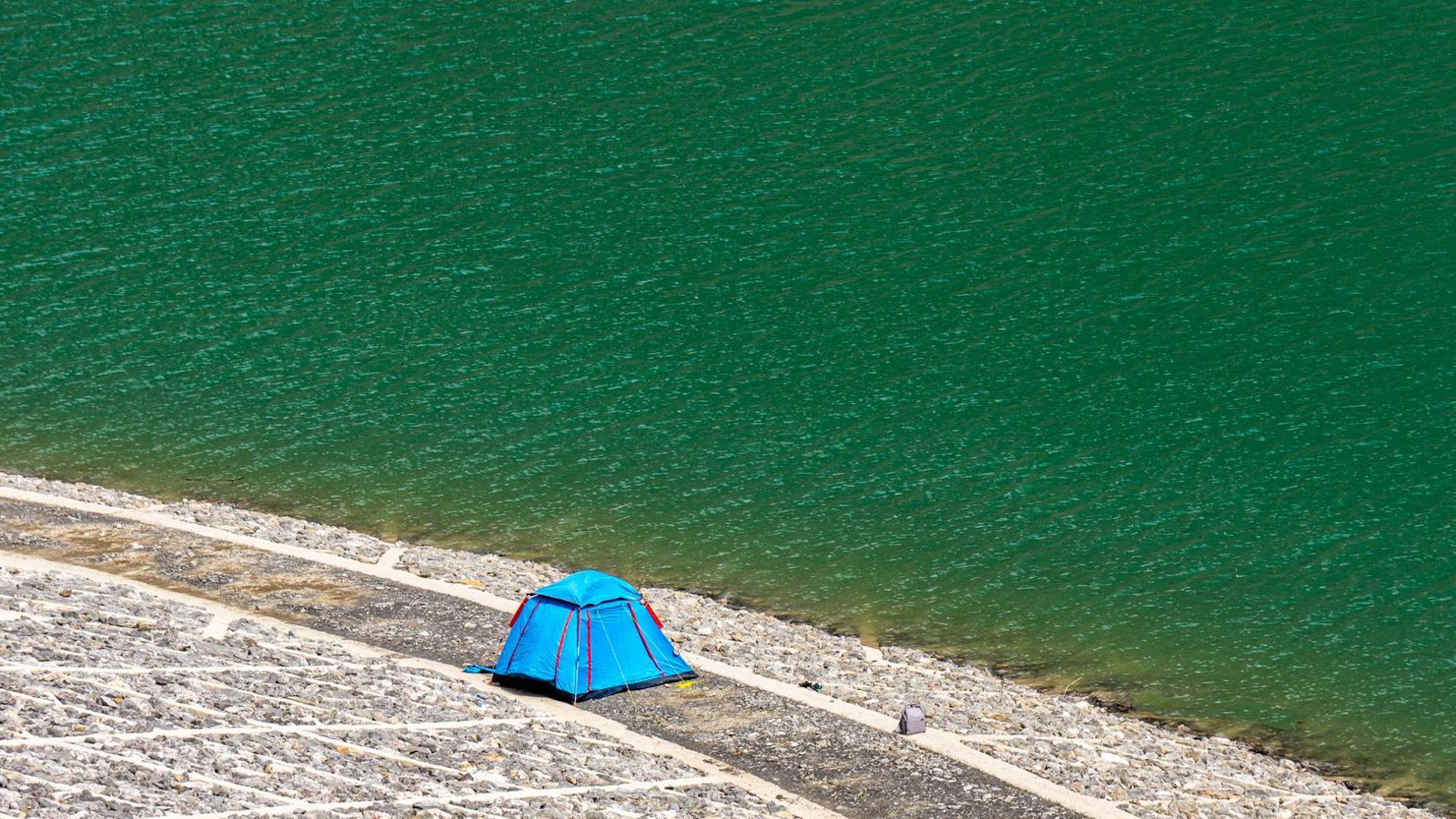 Photo: dh tang / Pexels
The Safety Net: Communication and Gear
When you are alone, your margin for error shrinks. This doesn’t mean you need to be paranoid, but it does mean you need to be proactive. The golden rule of solo camping is to tell someone your plan. This is not just a suggestion; it is a lifeline. Write down your itinerary, including the specific campground site number, the trailhead you are using, and your expected return time. Leave this note with a trusted friend or family member who lives at home.
Your plan should include a “check-in” protocol. Agree on a time when you will call or text them. If they don’t hear from you by a certain hour, they know to start looking for you. Be specific about what constitutes a delay. If you are hiking in, tell them how long the hike takes. If you are driving to a site, tell them the parking lot location. Modern technology helps here. A personal locator beacon (PLB) or a satellite messenger can be a game-changer for solo adventurers. These devices allow you to send an SOS or a “I’m okay” text even when you are out of cell range. While not strictly necessary for a campground stay, they provide immense peace of mind if you plan to hike away from your site.
Regarding safety gear, your kit should be robust. A comprehensive first aid kit is non-negotiable. It should include blister treatment, antiseptic wipes, bandages, and any personal medications. Since you are alone, you need to be your own medic. In bear country, carry bear spray and know how to use it. Keep it accessible, not buried in your pack. A whistle is another lightweight tool that can alert others to your presence if you get lost or need assistance.
Lighting is also a safety priority. Bring a headlamp with extra batteries, and perhaps a backup lantern. Darkness moves quickly in the woods, and fumbling for a flashlight while setting up camp can lead to twisted ankles or tripping. Finally, consider a multi-tool or a good knife. You will need these for food preparation, gear repair, and general camp tasks. The right gear doesn’t just make the trip easier; it makes it safer, allowing you to relax into the experience.
Conquering the Night: Managing Fear and Solitude
As the sun sets, the dynamic of the woods changes. The sounds of the day—birds, wind, rustling leaves—are replaced by the noises of the night. For many, this is where the fear sets in. The unknown becomes tangible. It is normal to feel a spike of adrenaline when you hear a twig snap in the dark. The key to managing this fear is understanding the source of the sound, but it is also about preparing your mind and environment to handle the solitude.
Establishing a Soothing Bedtime Routine
One of the most effective ways to combat nighttime anxiety is to create a consistent routine that signals to your brain that it is time to wind down. In the wild, the lack of structure can make the transition to sleep difficult. Start your routine an hour before you intend to sleep. This might involve brewing a cup of herbal tea, such as chamomile or peppermint, which can have a calming physiological effect. While you sip your tea, take the time to organize your camp for the night. Put your gear away neatly, ensure your tent zipper is secure, and place your headlamp and water bottle within easy reach of your sleeping bag.
This process of tidying up serves a dual purpose: it keeps your camp functional and it reduces cognitive load. When you wake up in the middle of the night, you don’t want to be fumbling for your flashlight or worrying about where you left your keys. A tidy space promotes a tidy mind. You might also choose to journal during this time. Writing down your thoughts allows you to process the day’s events and release any lingering stress onto the page. It is a powerful tool for solo campers, turning the solitude into a reflective practice rather than a source of isolation.
Mindfulness and Grounding Techniques
When fear strikes, it often